qirufanelContact
qirufanelContact

FIELD NOTE / 00 / MOBILE PRODUCT DEVELOPMENT

The interface is only one part of the service.

Qirufanel designs mobile products around the places, interruptions and handoffs in which people actually rely on them.

Describe the mission
Observe
The work around the screen
Design
The shortest resilient path
Release
The service, not only the build
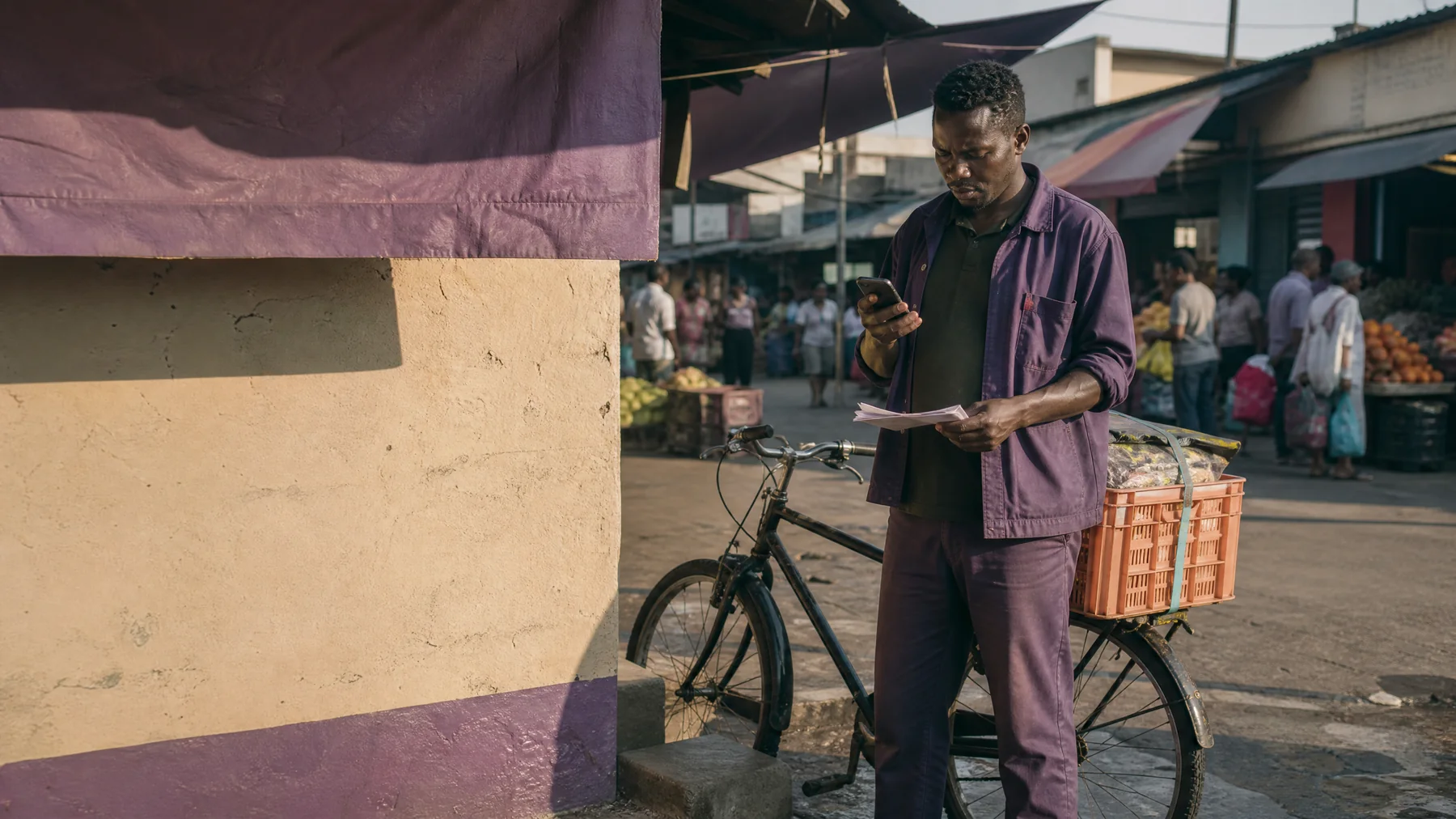
Field coordinator using a phone beside a community delivery bicycle
CONTEXTMarket edge / moving work / one-handed use

OBSERVE THE HAND

What else is the person carrying?

OBSERVE THE SIGNAL

What happens when it disappears?

OBSERVE THE SERVICE

Who catches the exception?

FIELD NOTE / 01 / SELECT A MISSION

Design changes when the environment changes.

Choose a lived context. The interruption risk, offline need and release path update together.

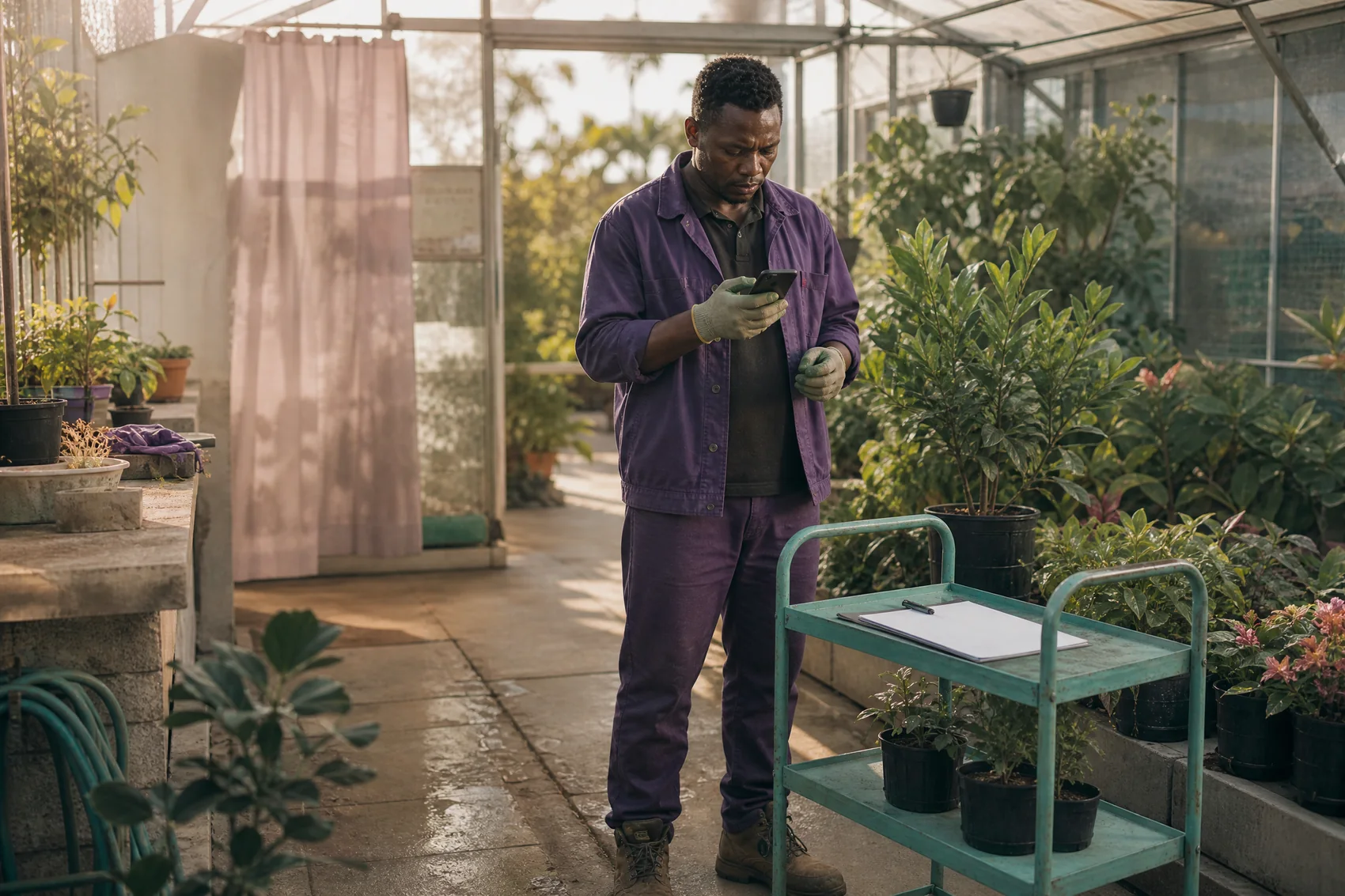
Field coordinator using a mobile tool in a greenhouse service aisle
GREENHOUSE SERVICE AISLE / GLOVES / VARIABLE SIGNAL

MISSION / FIELD TEAM

The task must survive movement, gloves and a weak connection.

The useful path is short, recoverable and explicit about what has synced. The product supports the route rather than demanding continuous attention.

Interruption risk
High — work and environment compete for attention
Offline need
Essential actions queue locally and reconcile clearly
Release path
Small team pilot, route observation, staged expansion
Use this mission in the brief →
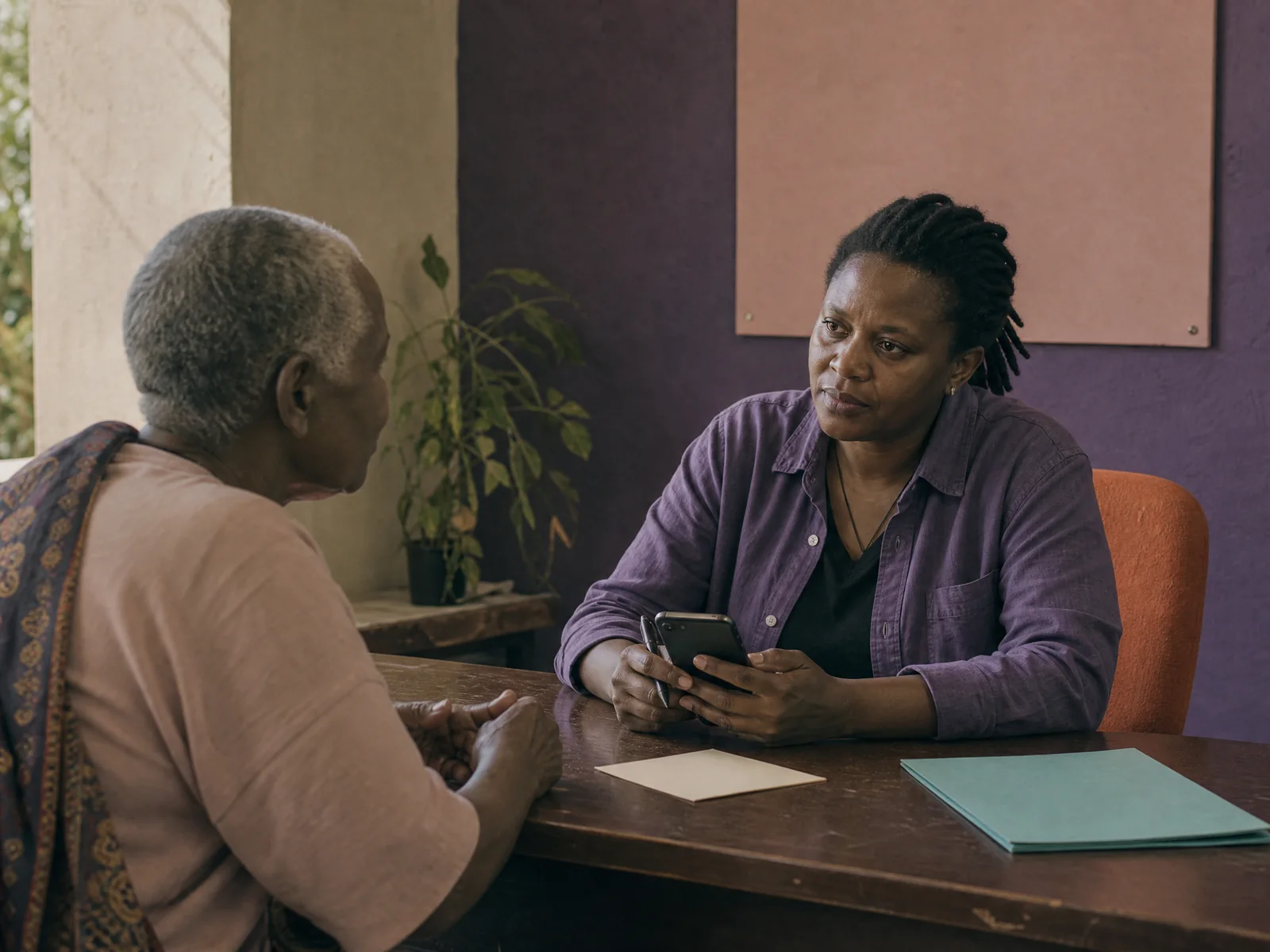
Community service coordinator using a phone while assisting a visitor

SERVICE DESK / LISTENING FIRST

Keep the human handoff visible.

A mobile product should not erase the person who resolves uncertainty. We map what the interface can settle and what should move cleanly to a colleague.

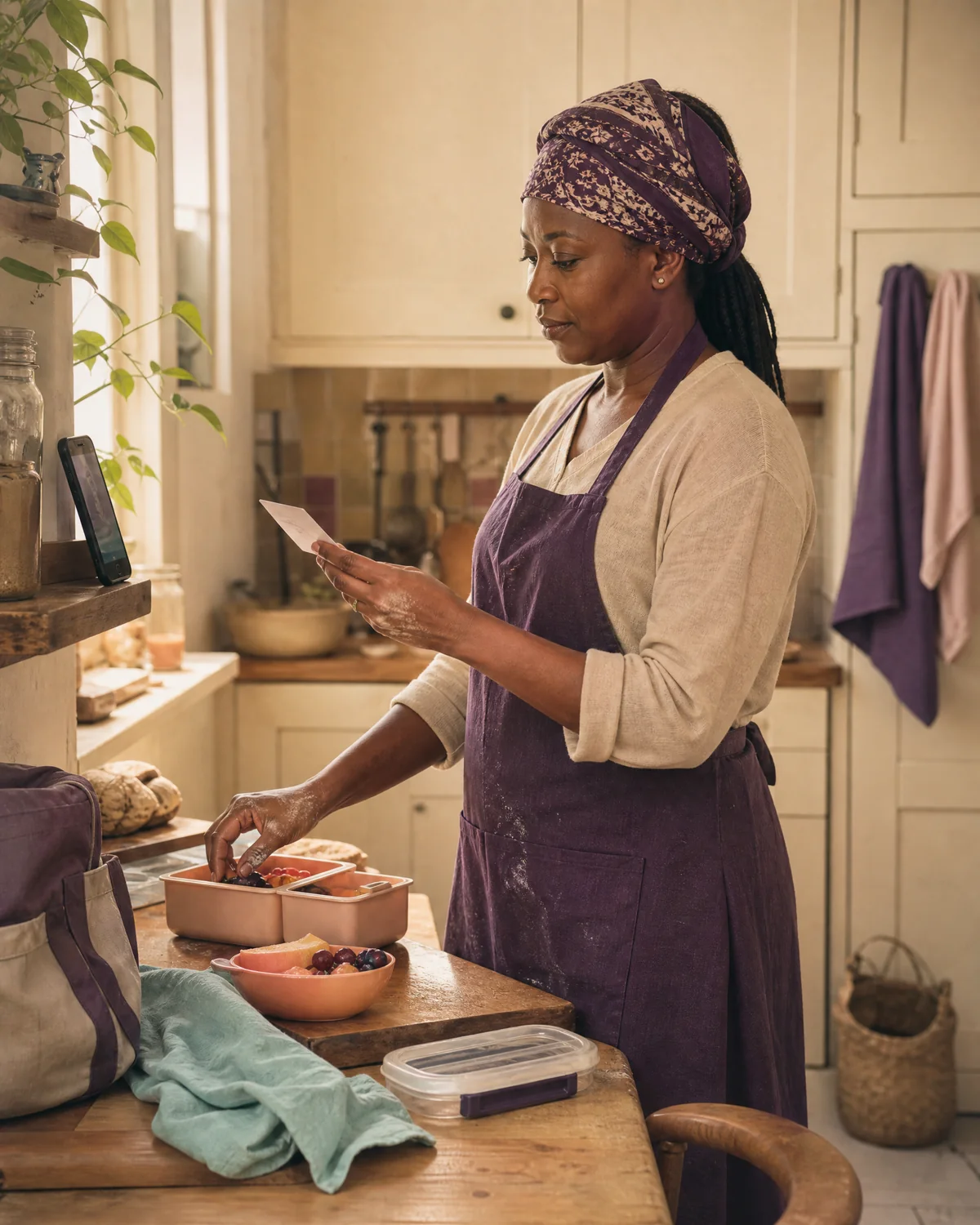
HOME ROUTINE / PARTIAL ATTENTION

Design for flour, noise and a second task.

Everyday utilities compete with real life. Important state stays legible, actions remain reversible and reminders respect context.

Home cook using a mobile tool while preparing lunch
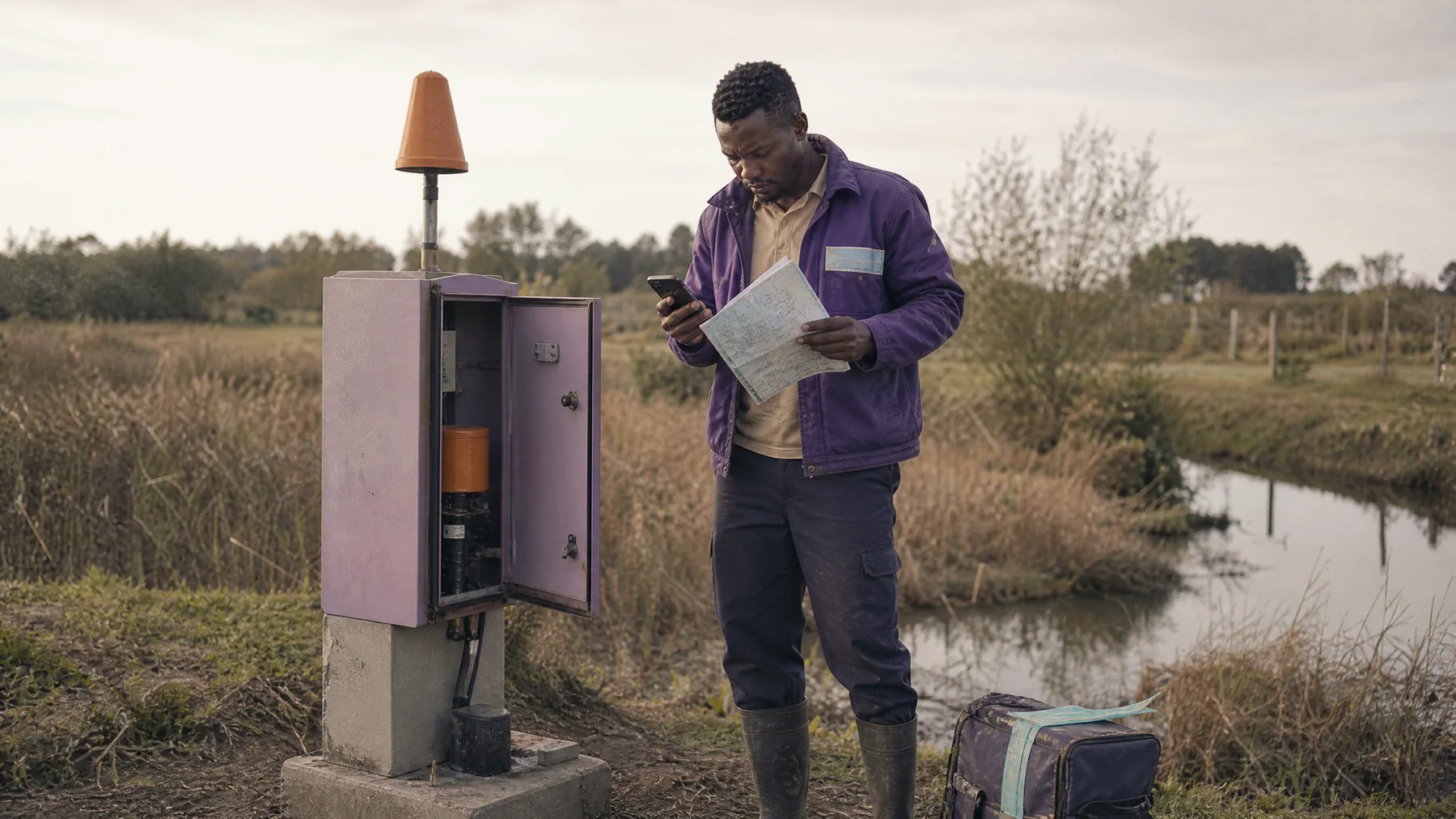
Maintenance worker comparing a phone and route map where signal is unreliable

FIELD NOTE / 02 / RESILIENCE

Show us where the signal drops.

Offline behaviour is a product decision: which actions remain available, what is stored, how conflicts resolve and how the person knows the service recovered.

  1. CAPTUREProtect the action before the connection returns.
  2. EXPLAINMake queued, failed and synced states unmistakable.
  3. RECONCILEResolve conflicts without losing the person’s work.
  4. SUPPORTGive operations a usable exception trail.

FIELD NOTE / 03 / ACCESS

Observe what the environment asks of the body.

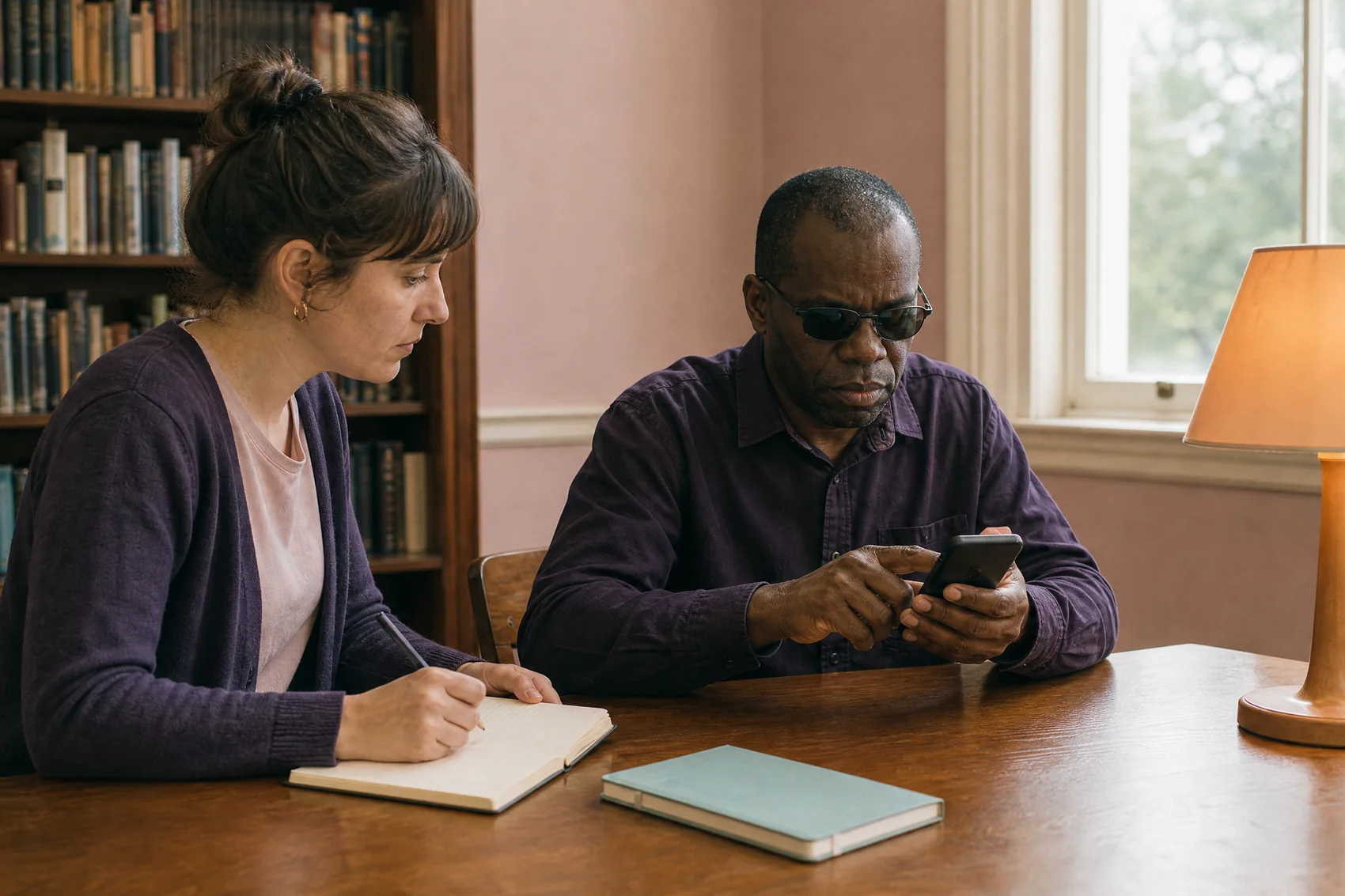
Respectful mobile usability session with a participant with low vision
WATCH

Reach, contrast, text scaling, focus order, recovery and the time required to understand state.

Accessibility is not a final audit detached from product behaviour. We include it in mission framing, prototype decisions, component acceptance and real-context observation.

  • Keyboard, switch and screen-reader pathways
  • Dynamic text and layout resilience
  • Contrast that survives real light
  • Errors that explain the recovery
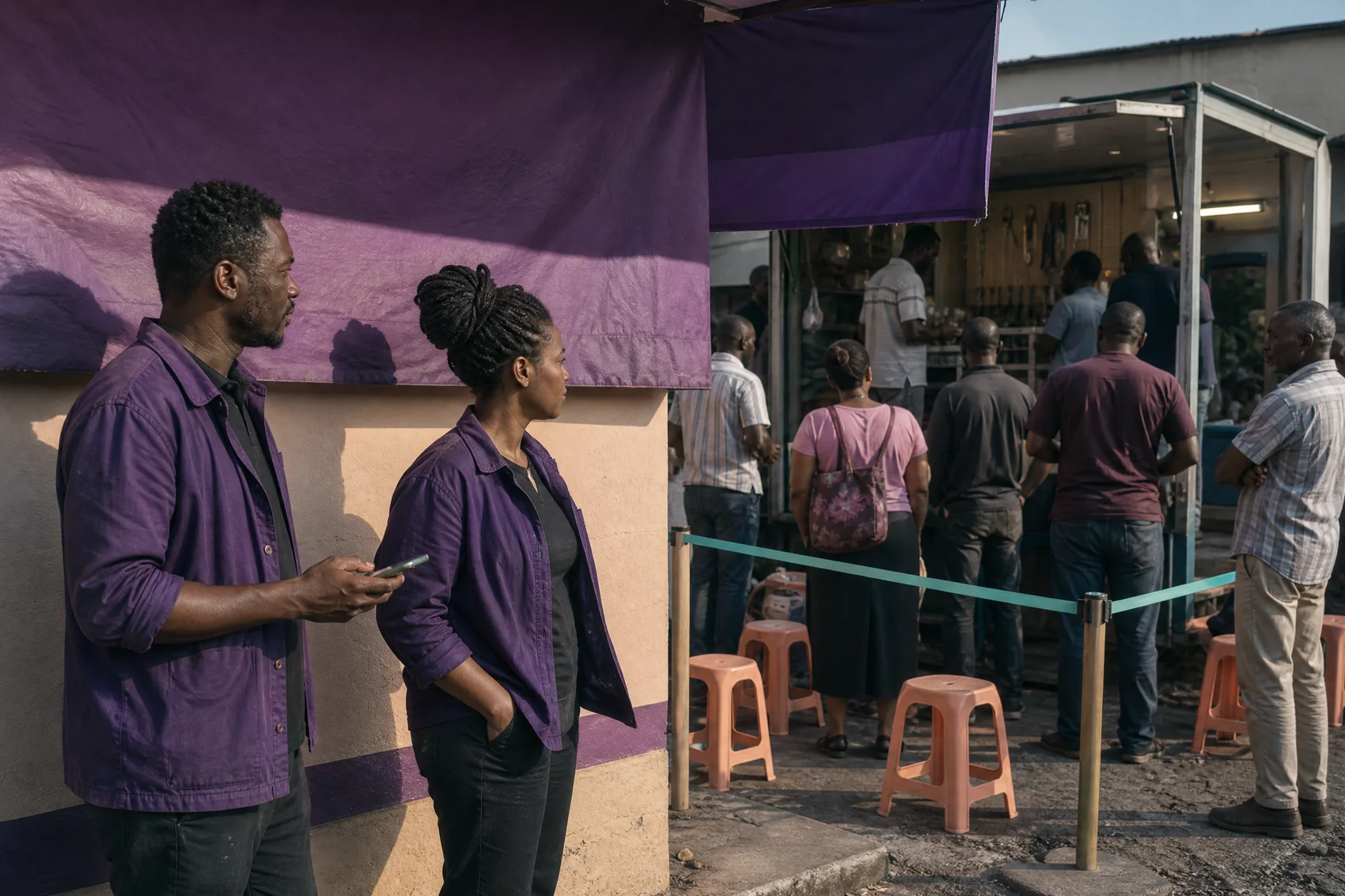
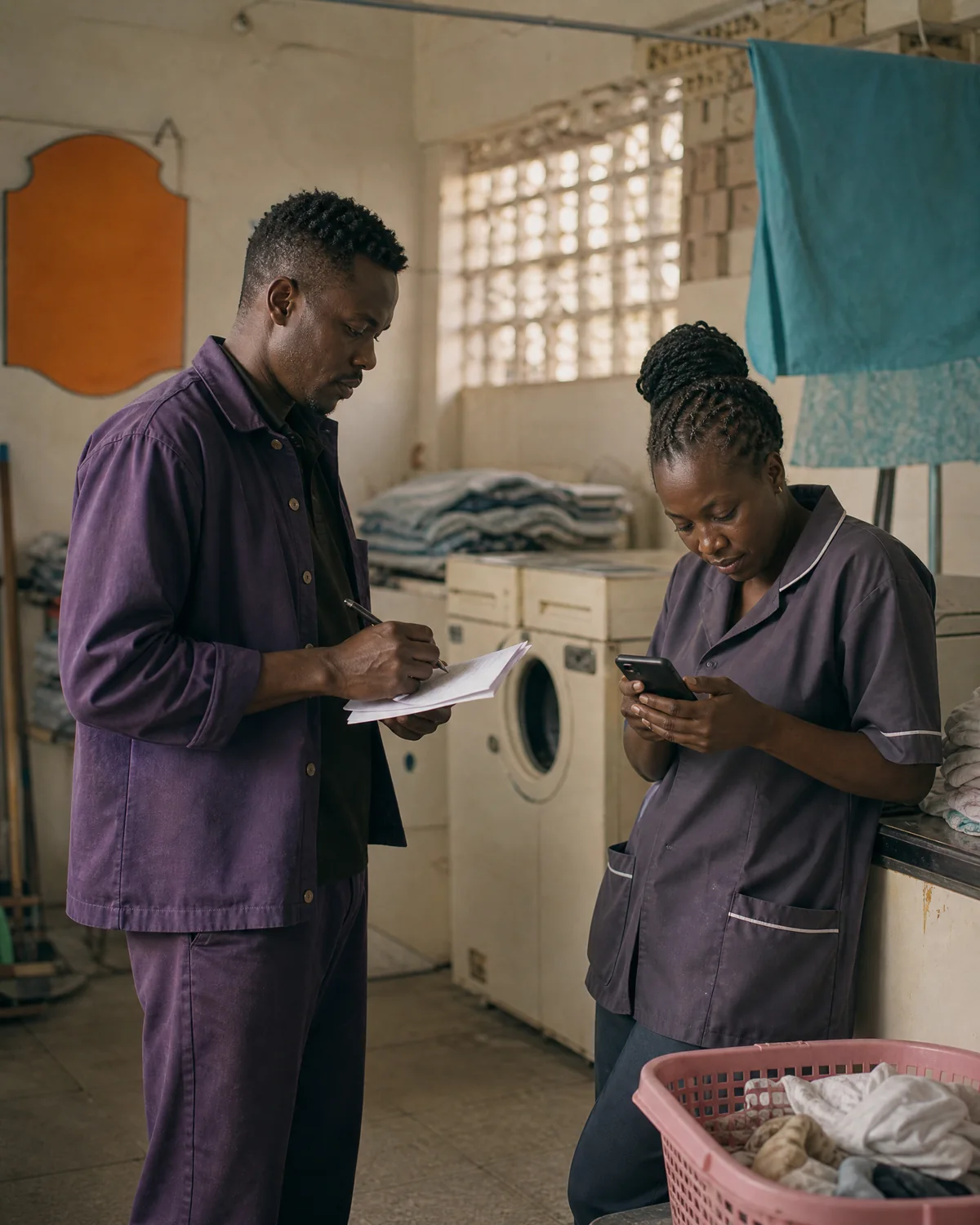
Operations team observing first use of a mobile service

RELEASE / OBSERVE

The launch is another field visit.

We watch where people hesitate, where operations improvise and which exceptions were invisible in the prototype.

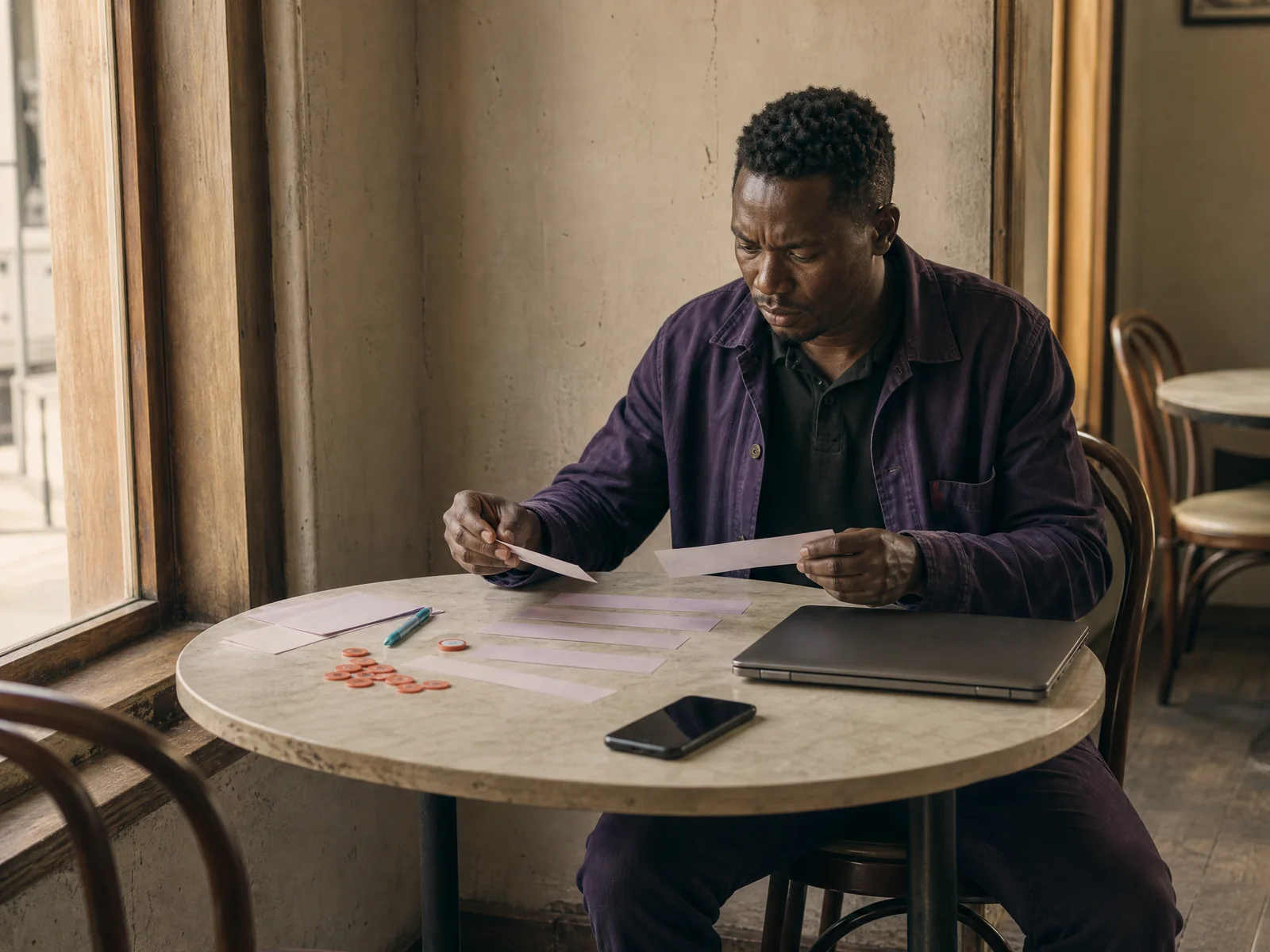
TELEMETRY / INTERPRET

Events need context before they become priorities.

Behavioural signals, support patterns and field observations meet in one product review rather than competing dashboards.

Product lead interpreting journey strips after telemetry review
Product researcher revisiting a mobile service in a working environment

MAINTENANCE / RETURN

Revisit the changed routine.

After the product settles, a return visit reveals workarounds, new dependencies and the next smallest useful improvement.

FIELD NOTE / 04 / HANDOFF

Leave the team with a service they can continue.

Delivery connects product intent, interface behaviour, engineering constraints and operational ownership.

  • Mission and edge-case map
  • Component and state documentation
  • Release and rollback pathway
  • Event and support taxonomy
  • Prioritised observation backlog
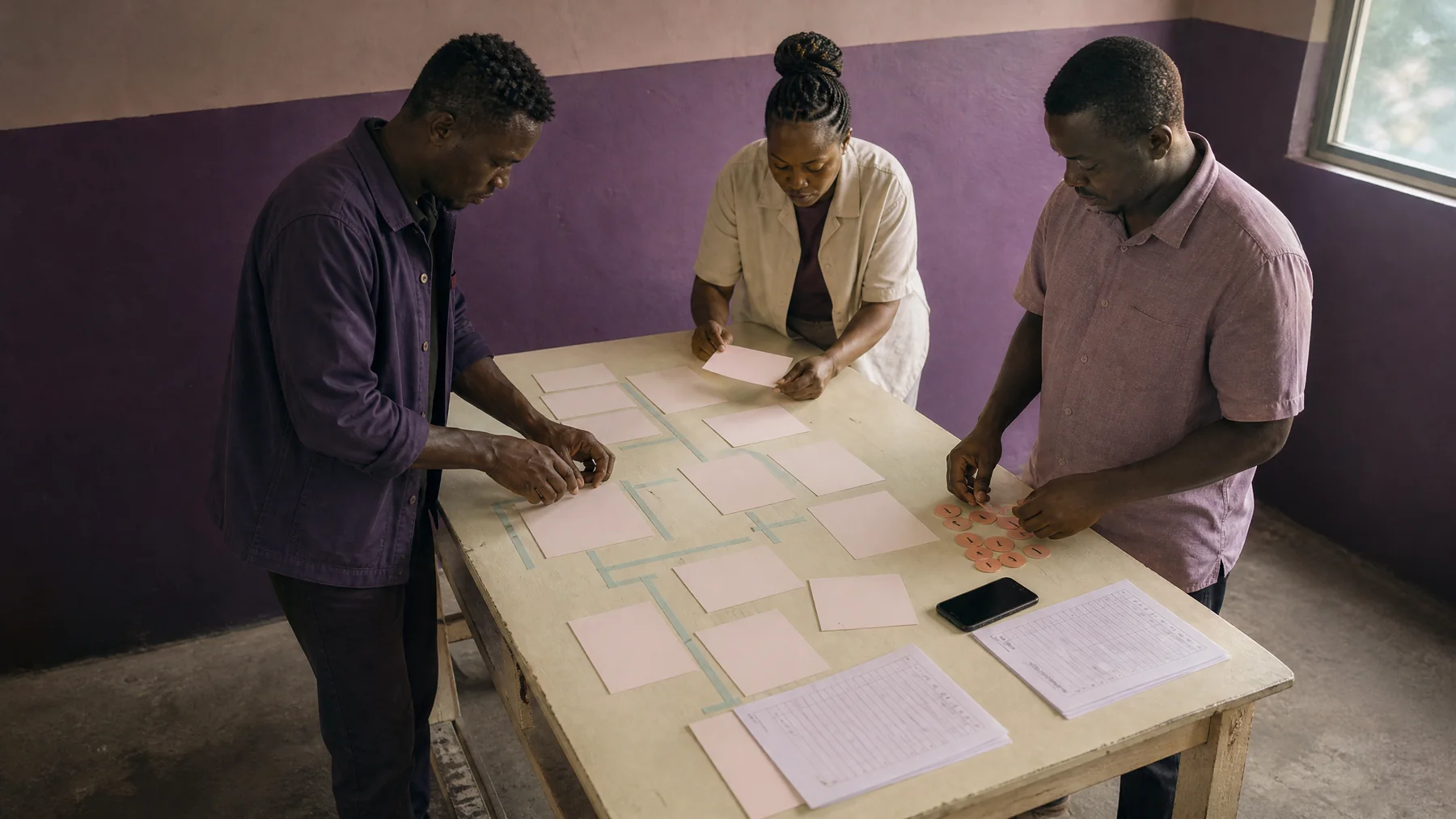
Product and operations team arranging service-map materials

FIELD NOTE / 05 / QUESTIONS

Before the first observation.

01Can you work with our existing mobile product?

Yes. We begin with the highest-value mission and the situations where the current product or service path breaks down.

02Do you build native and cross-platform apps?

The engineering choice follows product requirements, team capability, platform behaviour, integration needs and the cost of long-term change.

03How do you handle weak or missing connectivity?

We define which work must continue, what is stored locally, how state is explained and how conflicts reconcile when connectivity returns.

04Can you support release and iteration after launch?

Yes. Scope can include release preparation, event design, support pathways, observation and prioritised follow-up cycles.

05What do you need for a first conversation?

A useful mission, the people involved, the environment and the consequence of failure are more valuable than a finished feature list.

OPEN A FIELD BRIEF

Describe the moment the product must support.

Tell us who is doing what, where the task happens and what changes when the service fails or succeeds.

[email protected]
Team arranging mobile service handoff materials